
Orthodontics
Orthodontics and Braces
Straight teeth are easier to clean, better for your bite, and something to smile about. We offer orthodontic care for the whole family, from a child's first evaluation to an adult finally fixing what has bothered them for years.
Every mouth is different, so we start by figuring out what each person actually needs, then match them to the right treatment instead of a one-size-fits-all approach.
What is orthodontic treatment?
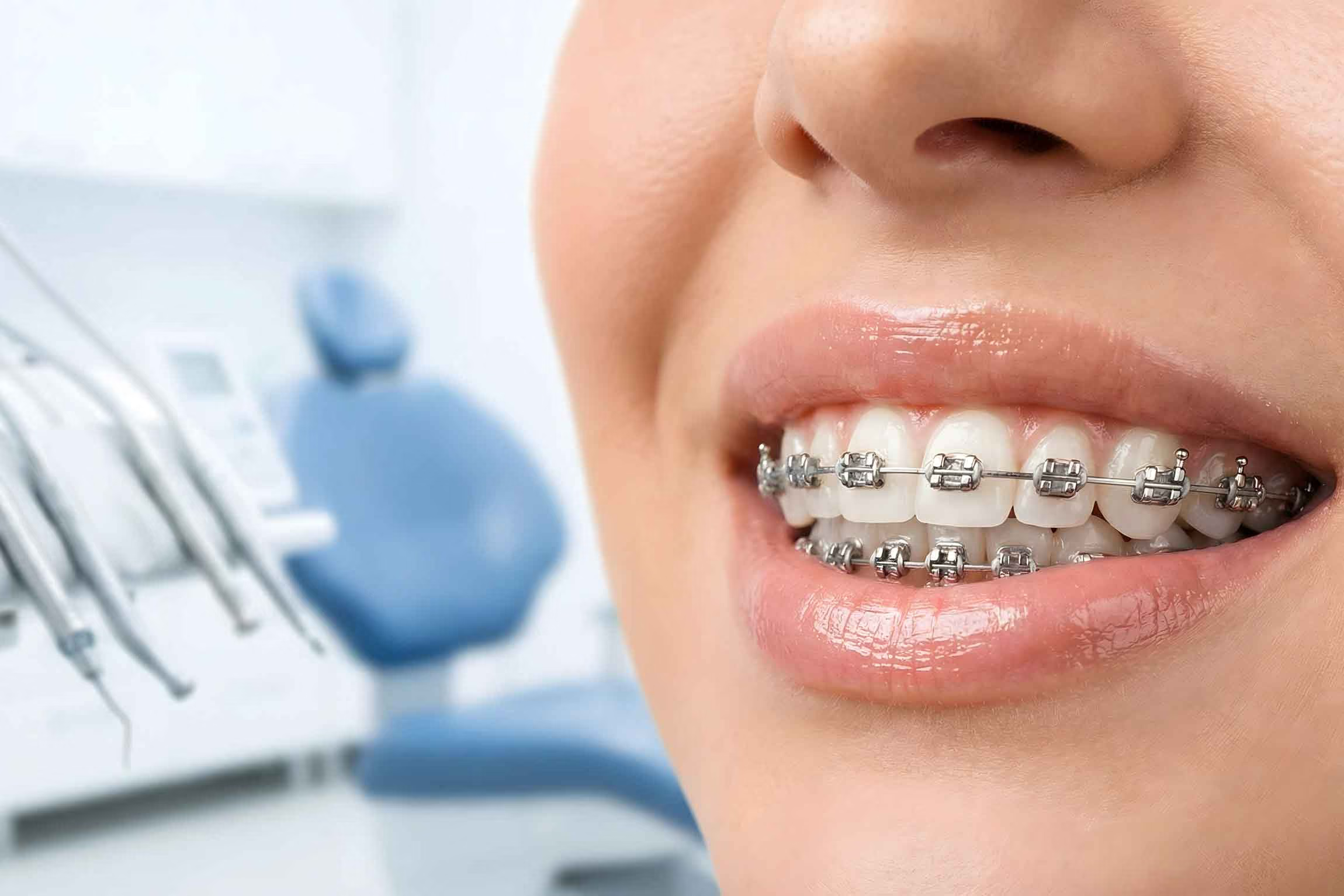
Orthodontic treatment straightens teeth and corrects how the upper and lower teeth fit together. It addresses crowding, gaps, and bite problems like overbites, underbites, and crossbites. Straighter teeth are easier to keep clean, which lowers the risk of cavities and gum disease over time.
They’re a good option for teeth that have:
Crowding
Overbites
Underbites
Crossbites
Gaps
Our orthodontic options
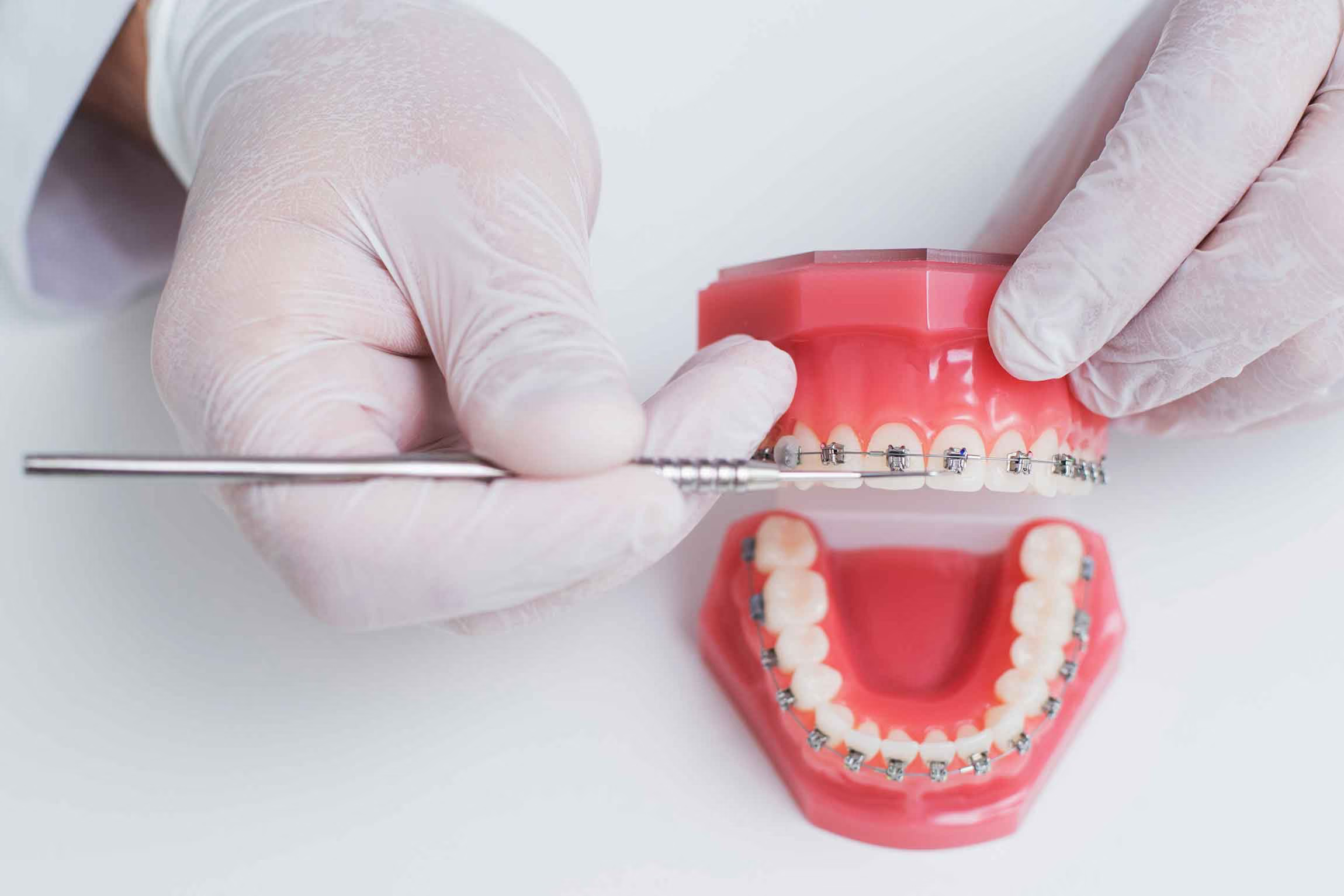
Traditional braces
Metal brackets and wires that handle everything from simple crowding to more complex bite problems. Braces are a proven, dependable option and are often recommended for kids and teens, usually between ages 10 and 14, though adults benefit too.
Palatal expanders
For younger children with a narrow upper jaw or crowding, an expander gently widens the palate to make room for permanent teeth to come in properly. It works best while the jaw is still developing.
Headgear
For more significant jaw-alignment issues, headgear is used alongside braces to guide jaw growth and correct the bite. We use it only when it is the right tool for the job.
Clear aligners (Invisalign)
Removable, nearly invisible aligners for mild to moderate crowding, spacing, and bite issues. A popular choice for adults and some older teens who want to straighten their teeth discreetly.
See InvisalignWhy early evaluation matters for kids
Bringing your child in for an orthodontic check around age seven does not mean they will start treatment then. It means we can spot issues early, while the jaw is still growing and easier to guide. Sometimes a small step now prevents bigger, longer treatment later. Often we simply keep an eye on things until the timing is right.
Our approach to orthodontics
01
A thorough evaluation
We examine the teeth, bite, and jaw, and take images to see what is happening below the surface.
02
A plan built for you
We recommend the option that fits the person, their age, and their goals, and we explain why.
03
Steady monitoring
Orthodontic treatment takes time. We schedule regular check-ins to keep things on track and adjust as needed.
What it costs
Orthodontic cost depends on the treatment and how long it takes, so we give you a real number at your consultation. If you have dental insurance, we file your claim for you, and some plans include orthodontic benefits.
No insurance? Our in-house dental plan includes 20% off treatment, and we offer payment options. We will go over it all before you decide.
See Our In-House Plan 20% Off Treatment
No insurance? Our in-house dental plan provides discounts on care — so cost doesn't keep you from the smile you've been picturing.
Find the right fit
A consultation tells you what each family member needs and which option makes sense.
Request an appointment online, or call us.
Request an Appointment (757) 529-2733Request an appointment online, or call us.
Questions and answers about orthodontics
At what age should my child first see someone about braces?
Around age seven is a good time for a first orthodontic check. Most kids will not need treatment yet, but it lets us catch anything that is easier to guide early.
Braces or clear aligners, which is better?
It depends on the case. Braces handle a wider range of problems, while clear aligners are great for mild to moderate issues and are less noticeable. We will tell you honestly which fits you.
Can adults get orthodontic treatment?
Yes. It is never too late to straighten your teeth. Many adults choose clear aligners, but braces work well too.
How long does treatment take?
It varies with the case, often somewhere between one and two years. We give you a realistic timeline after your evaluation.
Do I still need a retainer afterward?
Yes. Teeth can drift back over time, so a retainer holds your new smile in place. We will fit you for one when treatment is done.