(757) 529-2733Appointment
Battlefield small tooth symbol
TMJ TMD Treatment

TMJ, Teeth Grinding, and Night Guards
Waking up with a sore jaw or a dull headache?
Grinding and jaw tension are common, easy to miss, and usually very treatable.
The jaw joint gets used all day, every time you talk, chew, or yawn. When it is strained, or when you grind and clench at night without knowing it, the result can be pain that shows up in places you would not connect to your teeth at all.
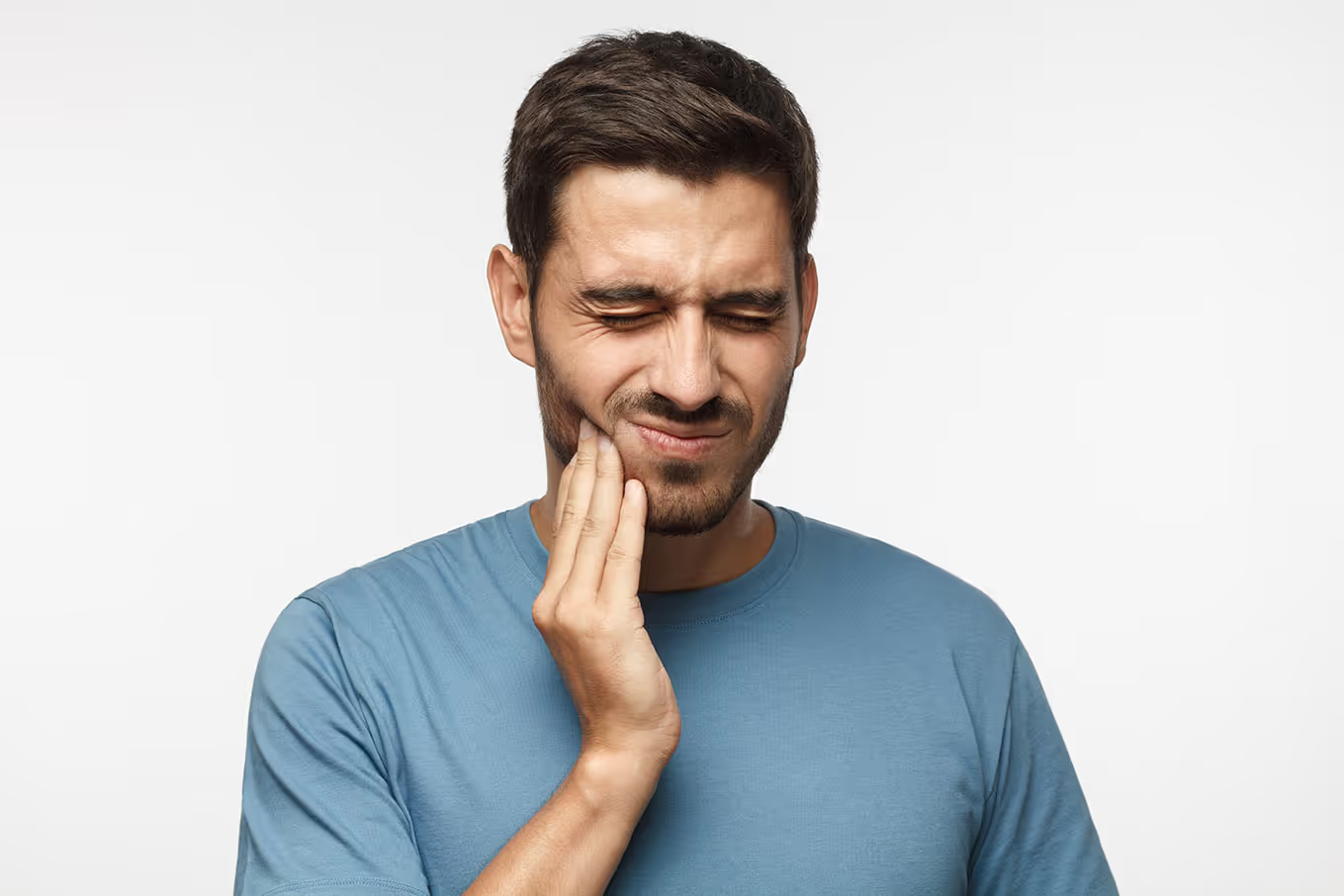
Man experiencing jaw pain and tmj issue.

What is TMJ/TMD?

TMJ refers to the temporomandibular joint, the hinge that connects your lower jaw to your skull. TMD, or temporomandibular disorder, is the term for pain and dysfunction in that joint and the muscles around it. It is often linked to teeth grinding, clenching, stress, arthritis, or a bite that does not line up evenly.

Could it be your jaw?

A quick self-check
Jaw pain, soreness, or tightness, often worst in the morning
Headaches that start near the temples
Clicking, popping, or grating when you open and close your mouth
Teeth that look flat, worn, or chipped
Aching that spreads to your ears, neck, or shoulders
A partner who hears you grinding at night
Locking or a stuck feeling when you open wide
One of these alone may be nothing. Several together are worth having checked, because the wear on your teeth does not undo itself.
Request an Appointment (757) 529-2733

What causes TMJ pain

There is rarely a single cause. The most common drivers are grinding and clenching, often stress-related and often at night while you sleep.
A bite that does not meet evenly, arthritis in the joint, an old jaw injury, or the habit of clenching when you concentrate can all play a part. Figuring out which factors apply to you is the first step toward the right fix.
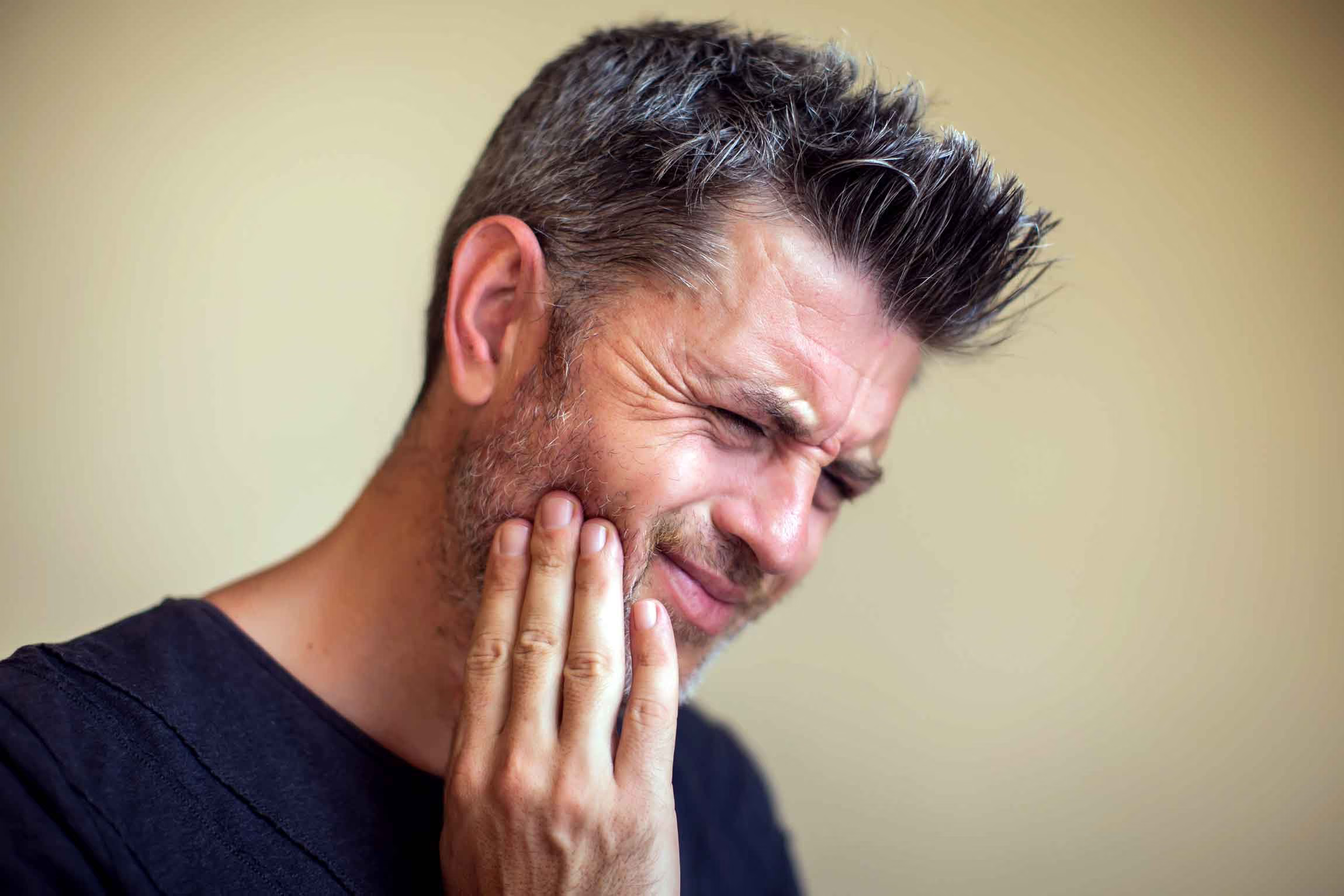
man holding jaw

How we help

1. We find the cause.
We examine your jaw, your bite, and the wear on your teeth, and we ask about your sleep and stress to understand what is driving the problem.
2. We protect your teeth.
For most grinding and clenching, a custom night guard is the answer. It is made to fit your mouth exactly, cushions the joint, and stops your teeth from grinding against each other while you sleep.
3. We ease the strain.
We may suggest simple jaw exercises, warm compresses, and habit changes that take pressure off the joint.
4. We adjust or refer when needed.
If your bite is part of the problem, we will talk through options to correct it, and refer you to a specialist if that is the right move.

What you can do tonight

While you wait for your appointment, a few things can take the edge off:
Eat softer foods
X
Avoid gum and chewy candy
Hold a warm compress against your jaw
Notice when you clench your jaw, then relax the muscles.
These tips can help with the symptoms, but a proper evaluation may be needed to truly address the cause.

Stop toughing out jaw pain

A short evaluation can tell you what is going on and how to fix it. Request an appointment online, or call us.
We see patients Monday through Thursday, 8 a.m. to 5 p.m.
Request an Appointment (757) 529-2733

TMJ/TMD FAQs

How do I know if I grind my teeth at night?

Most people do not feel it happening. The clues are a sore jaw or headache in the morning, flattened or chipped teeth, or a partner who hears it. We can also spot the wear pattern during an exam.

Will a night guard stop my headaches?

For headaches driven by nighttime grinding and clenching, a custom night guard often helps a lot by taking the strain off your jaw muscles. We will check whether grinding is the likely cause.

Is a custom night guard better than a drugstore one?

A custom guard is fitted to your mouth, so it can often be more comfortable, more effective, and more likely to actually be worn. Bulky over-the-counter versions tend to end up in a drawer.

Can TMJ go away on its own?

Mild, short-lived jaw soreness sometimes settles down. But ongoing pain, clicking, or grinding usually needs attention, because the damage to your teeth and joint adds up over time.

Does treatment involve surgery?

Most cases are managed with a night guard, bite adjustments, and simple habit changes. Surgery is rare and only considered by a specialist for severe cases.